
Lucidchart is the #2 ranked design app on Slack, with a free plan available, as of Sep 11, 2026.
AppRanks data: Lucidchart ranks #2 in Design on Slack Marketplace, placing it in the top 3% of that category.
AppRanks verdict
Generated from live marketplace data — refreshed daily
Lucidchart is a newly-listed Slack app with a limited review volume. It is listed in the Design category on Slack Marketplace, which AppRanks treats as the canonical taxonomy node for ranking and competitor comparison. no published reviews yet means feature claims are unverified by the wider merchant base. Without a published review base, the only fit-signal available is the developer's own documentation plus the marketplace's listing-quality audit (linked below). The free tier lets you trial the entry feature set without committing a payment method. AppRanks tracks rating, review count, pricing tier, and category position daily — the figures on this page reflect the most recent scrape from the canonical Slack Marketplace listing.
Pros
- +Free tier available — no card required to evaluate
Cons
- −No public reviews yet — fit and reliability are unverified
Looking to switch from Lucidchart?
See Lucidchart's alternatives ranked by audit score, rating, and review velocity.
About Lucidchart
How Lucidchart works
Show full descriptionShow less
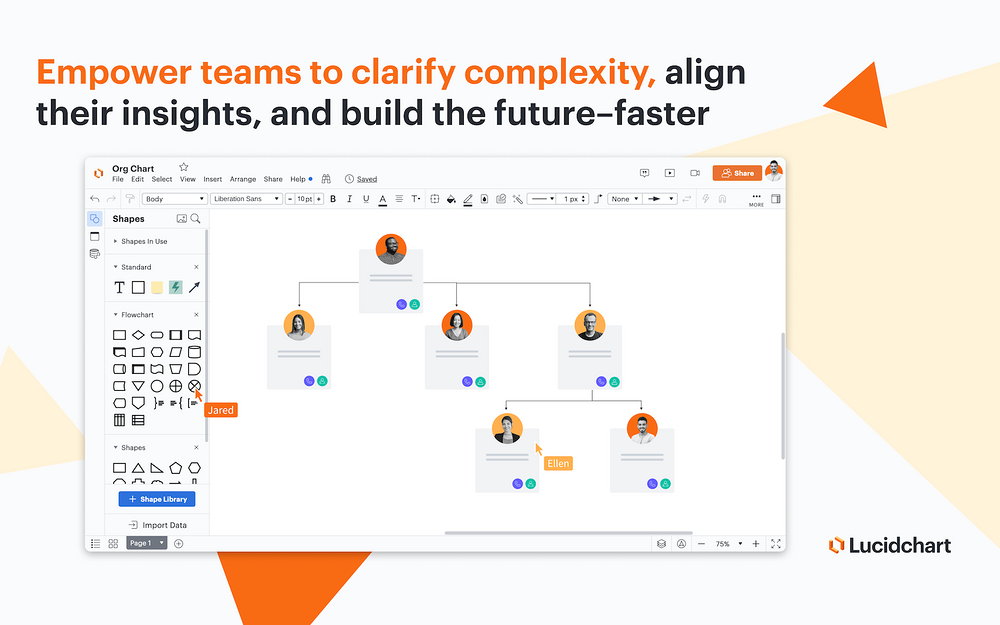
- Keep projects moving with real-time Slack notifications for Lucidchart documents.
- Simplify sharing by managing document permissions directly in Slack.
- See previews and summarize contents instantly when sharing document links.
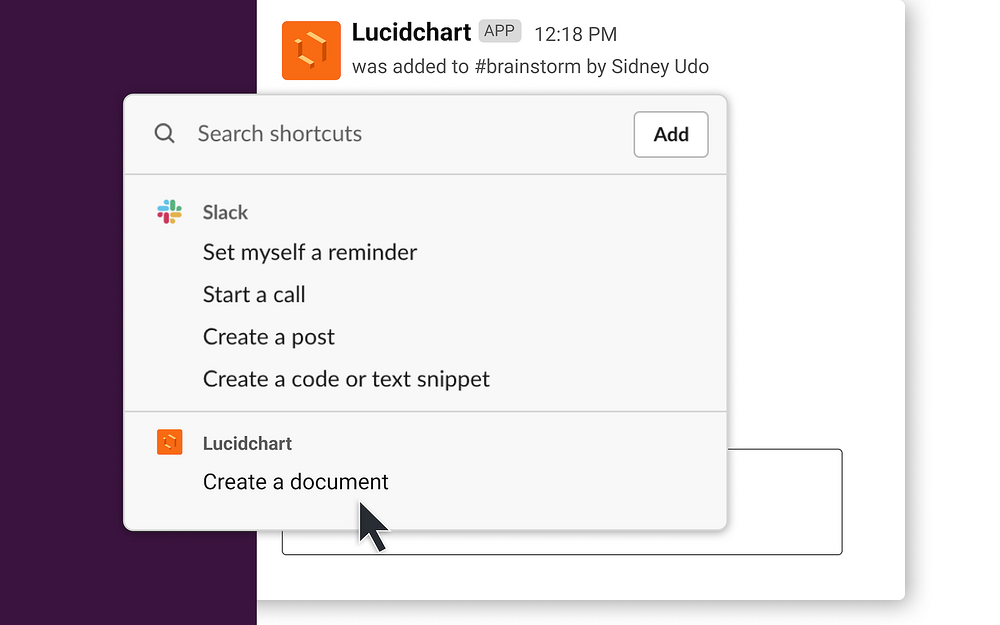
- Get on the same page quickly by creating new documents using Slack Shortcuts.
- Keep everyone in the loop by sharing to Slack directly from the Lucidchart interface.
- Locate documents by keyword and extract action items or content summaries instantly.
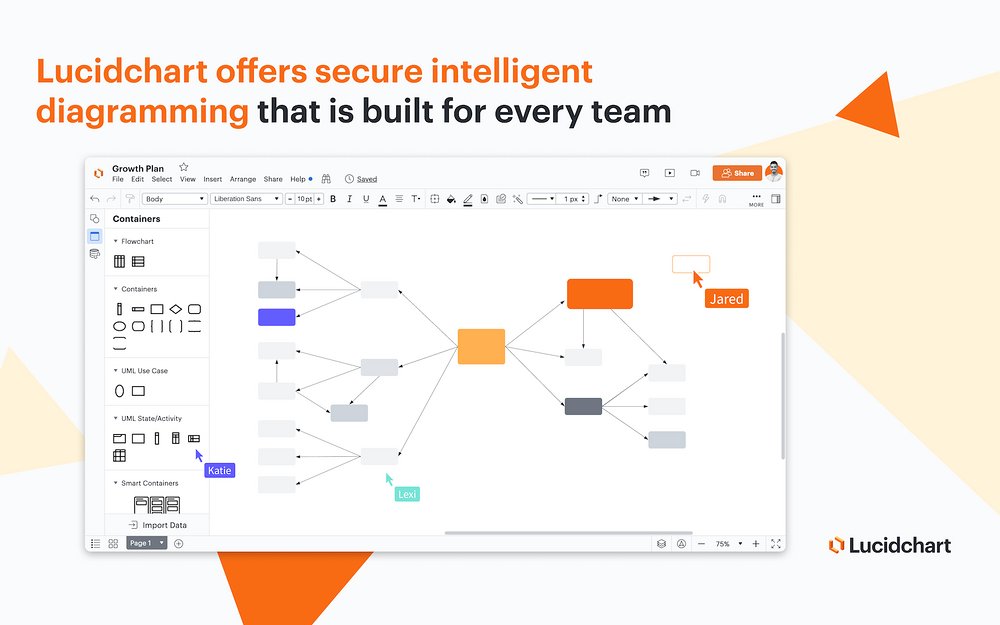
- Generate diagrams, process maps, user flows, and org charts from Slackbot conversations.
- Deploy edits and modify document contents without leaving Slack.
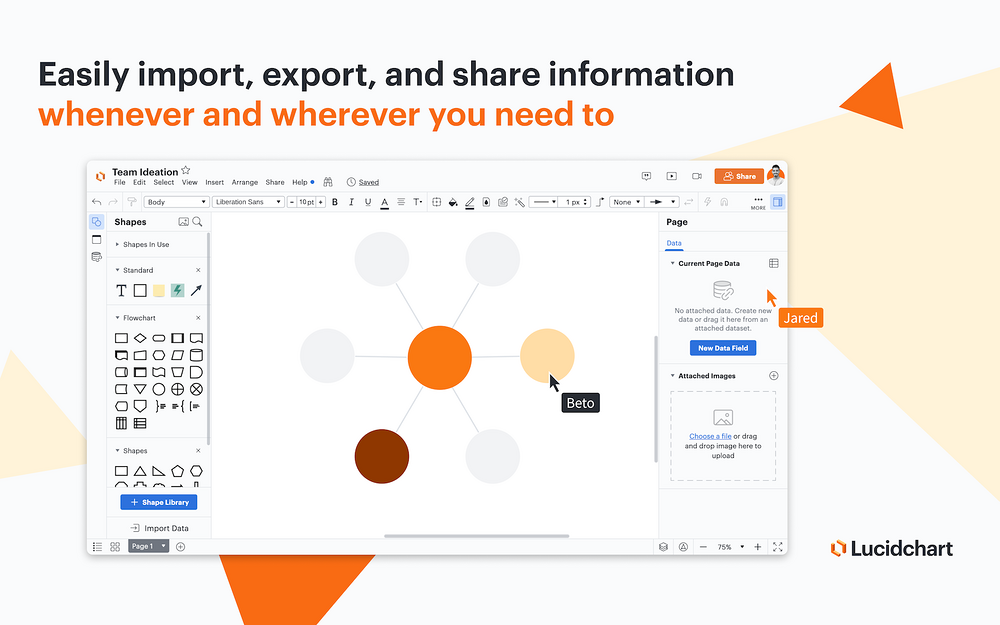
- Manage collaborator permissions, share live links, fetch document images and export documents as PNGs.
Screenshots
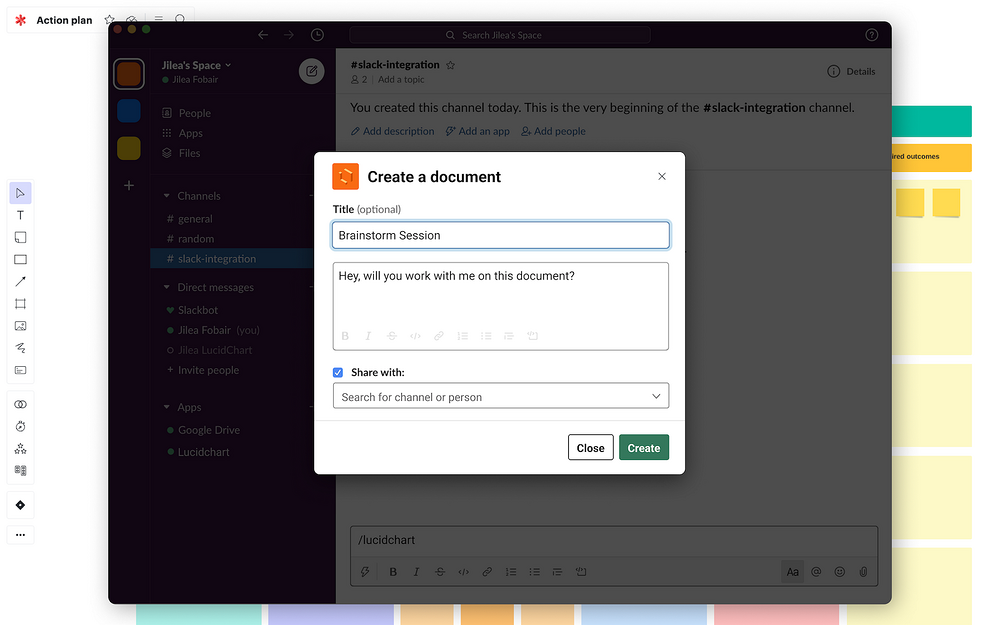
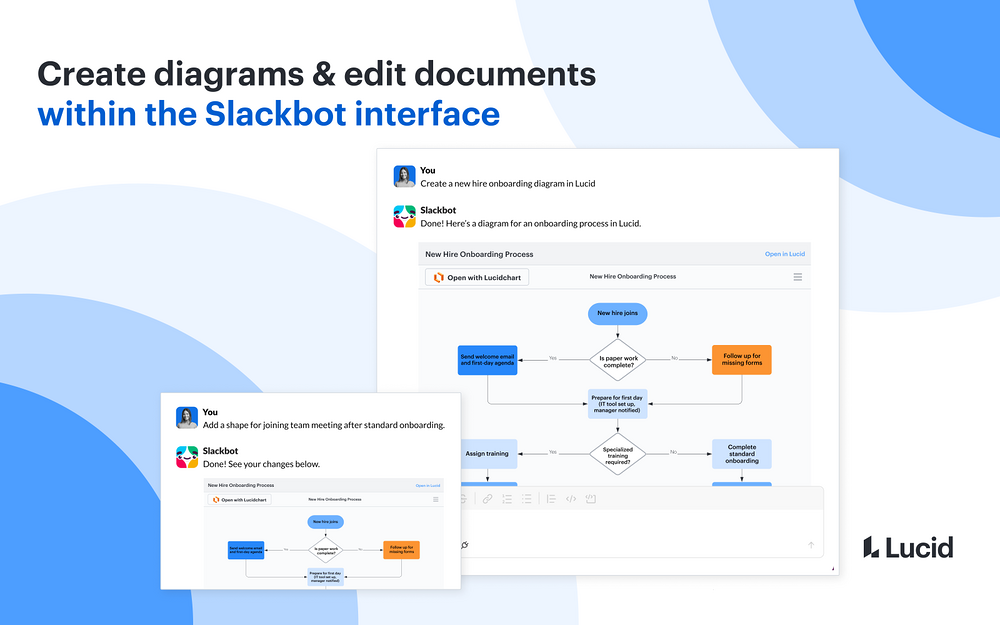
Category rankings
As of Sep 17, 2026- Design#2of 67Top 3%
- MCP registry#5of 33Top 16%
- Enterprise-ready apps#12of 35Top 35%
- Developer Tools#13of 540Top 3%
- Productivity#36of 600Top 6%
See 90-day rank history for each category
Track daily rank changes, category shifts, and position volatility.
Competitors & alternatives
Lucidchart doesn't have curated competitor matchups yet. Other tracked design apps on Slack:



Where Lucidchart stands in the Design category
Lucidchart ranks #2 of 67 apps in the Design category, placing it in the top 3% of the listing.
Frequently asked questions
What is Lucidchart?
Lucidchart is an app for Slack. It is published on Slack Marketplace and tracked by AppRanks, and AppRanks has been tracking its public marketplace data on the refresh cadence published in our methodology. It is listed under the Design category on AppRanks, where you can see its current category position, review-velocity trend, and how it compares against the top alternatives in the same space.
Is Lucidchart free?
Lucidchart does not offer a permanent free plan on Slack. Pricing starts at Free and paid plans available. Trial availability and exact billing terms are mirrored from the live Slack listing and may change between refresh cycles, so always confirm the headline price on the source marketplace before installing.
Who uses Lucidchart?
Lucidchart is actively installed across Slack stores tracked by AppRanks. Its review base is still building, which usually maps to early-stage merchants and stores piloting a new workflow. It is part of the Design category on Slack.
Where does Lucidchart rank on Slack?
Lucidchart currently sits at position #2 in the Design category on Slack. That places it in the top 3% of 67 apps tracked in the same category. Category positions are read from the live marketplace ranking and refresh on each scrape, so the number you see here reflects the most recent crawl rather than a long-running average.